Travel Insurance 101: Everything You Need to Know Before You Go
We’ve all been there: you’ve spent weeks planning the perfect getaway, booking flights, and securing boutique hotel rooms. Then, right at checkout, that little box pops up asking if you want to add travel insurance.
If you’re like most people, your instinct might be to skip it. You might think, "I'm healthy, I'm careful, why throw away an extra $50 to $100?"
But here’s the reality—skipping travel insurance is one of the riskiest mistakes you can make. The truth is that most domestic health insurance plans (especially in the US) completely stop covering you the minute you cross international borders. If you break an arm in Italy or get a severe case of food poisoning in Thailand, you are entirely on your own for the bill.
As legendary travel expert Nomadic Matt always says: If you can't afford travel insurance, you can't afford to travel. It’s not just about medical bills; it’s about protecting your entire financial investment.
What Does Good Travel Insurance Actually Cover?
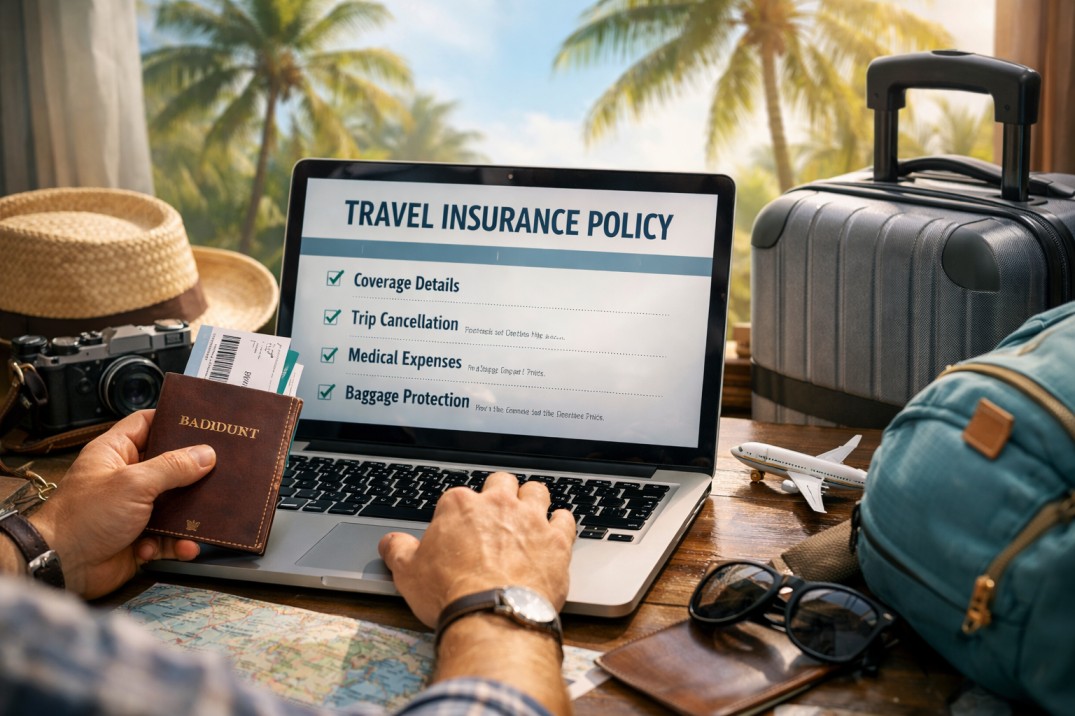
A solid, comprehensive travel insurance policy acts as a safety net for both your health and your wallet. When shopping around, you should ensure your policy covers these four core areas:
1. Emergency Medical Coverage
This is the absolute baseline. If you get sick or injured abroad, this covers your doctor visits, hospital stays, and medication. Look for a policy that offers at least $100,000 USD in emergency medical coverage.
2. Emergency Medical Evacuation
If you are hiking in a remote area or visiting an island with limited medical facilities, and you suffer a severe injury, you may need to be airlifted to a major hospital. Emergency medical evacuation covers the astronomical cost of helicopters or specialized medical flights. Aim for a policy with at least $300,000 USD in evacuation coverage.
3. Trip Cancellation, Interruption, and Delays
Life happens. If you get sick right before your trip and can't fly, or if a family emergency cuts your vacation short, trip cancellation coverage reimburses you for your non-refundable expenses (like flights and hotel deposits). It also steps in to cover meals and accommodations if your flight is severely delayed or canceled by the airline.
4. Baggage and Gear Protection
If an airline loses your suitcase, or if someone snatches your daypack on a crowded train in Europe, this coverage helps reimburse you for the value of your stolen or lost possessions.
What It Doesn't Cover (The Fine Print)
Insurance companies are businesses, and they have strict limits. You need to read the fine print so you aren't blindsided later. Most standard policies will not cover:
-
Extreme Sports: Activities like skydiving, scuba diving (below certain depths), or white-water rafting usually require a special "adventure sports" rider.
-
Pre-Existing Conditions: If you are actively treating a chronic illness, standard policies won't cover emergencies related to it unless you buy a specific pre-existing condition waiver early on.
-
Incidents Involving Alcohol or Drugs: If you get injured while driving a scooter intoxicated in Greece, your claim will be instantly denied.
-
Stupidity/Negligence: Leaving your expensive camera sitting unattended on a beach towel while you go swimming isn’t "theft"—it's negligence, and insurance won't pay to replace it.
How to Buy the Right Policy: Step-by-Step
Buying insurance doesn’t have to be overwhelming. Follow these steps to find the perfect fit:
1.Determine Your Trip Style:Step 1.
Are you going on a single two-week vacation, or are you digital nomading for six months? Single-trip policies are best for vacations, while multi-trip or annual plans save money if you travel more than three times a year.
2.Check Your Existing Coverage:Step 2.
Review your credit cards (like Chase Sapphire or Amex Platinum) to see what travel protection they automatically provide. Sometimes they cover rental cars or trip delays, meaning you only need to buy a medical-focused policy.
3.Compare Quotes Online:Step 3.
Use comparison platforms like InsureMyTrip or SquareMouth to plug in your age, destination, and trip cost. This lets you compare dozens of policies side-by-side to find the best price-to-coverage ratio.
4.Review the Deductibles:Step 4.
A deductible is the amount you pay out-of-pocket before insurance kicks in. A $0 deductible plan costs more upfront but means no surprises during a crisis. A higher deductible drops your premium cost but requires you to pay a bit at the hospital first.
Top Recommended Companies for US & European Travelers
Depending on how you travel, a few trusted companies consistently stand out in the industry:
-
SafetyWing: Built specifically for digital nomads and long-term travelers. It operates like a monthly subscription, making it incredibly flexible and highly affordable, especially for younger travelers.
-
World Nomads: The gold standard for backpackers and adventurous travelers. They make it easy to buy and renew policies while you're already on the road, and their plans cover a massive list of adventure sports.
-
Faye: A fantastic, newer digital-first option for US travelers. They handle everything via an intuitive app, offering real-time flight monitoring and fast digital payouts for luggage delays or issues.
Final Thoughts: Peace of Mind is Priceless
No one plans to get sick, get pickpocketed, or have their flight canceled. But spending a few dollars a day on a solid travel insurance policy ensures that a bad situation remains a minor bump in the road rather than a financial catastrophe. Buy your coverage as soon as you book your flights, pack your bags, and go explore the world with complete peace of mind!